If your supply chain relies on moving lithium batteries, cosmetics, or complex electronics across borders, you already know that the 2026 regulatory landscape is incredibly unforgiving. A single misclassified item or missing safety document no longer just causes a minor delay; it triggers immediate seizures, hefty storage penalties, and potential cargo destruction by the Canada Border Services Agency (CBSA). Over the past twelve years of managing cross-border logistics, I have seen countless businesses lose key clients simply because they treated dangerous goods like standard general cargo.

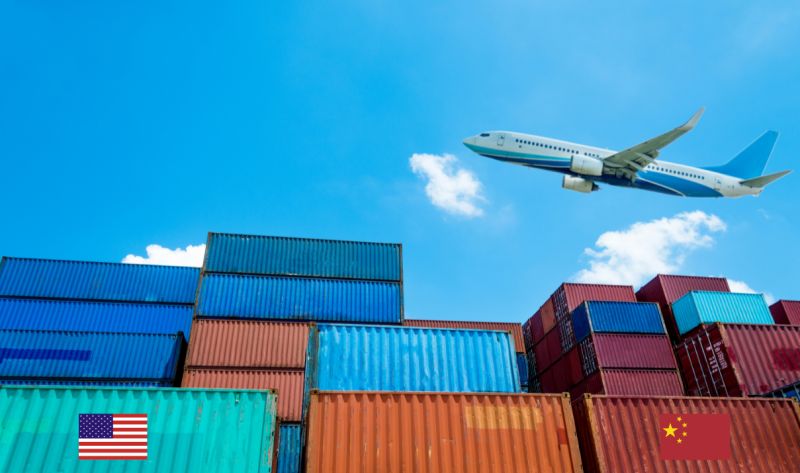
The reality of shipping sensitive goods via air freight to Canada from China today requires a flawless understanding of dual-agency oversight. You are not just dealing with customs anymore; you are navigating a synchronized net cast by both the CBSA and Transport Canada. In this internal playbook, I will walk you through the exact compliance frameworks, the latest tier-specific carrier restrictions, and the precise documentation steps our team uses to maintain a frictionless clearance rate.
What Exactly Qualifies as Sensitive Cargo in 2026?
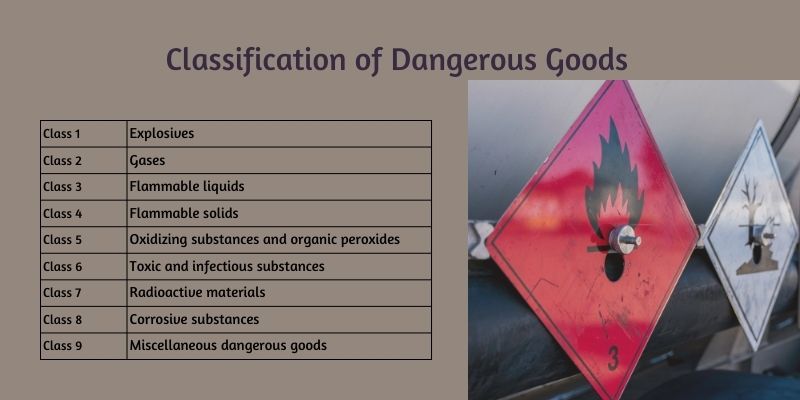
Before optimizing your supply chain, you must accurately categorize your inventory against international standards. The definition of sensitive cargo is strictly dictated by the latest IATA dangerous goods regulations Canada and local aviation safety mandates. When exporting from manufacturing hubs in China to Canadian destinations, products generally fall into several highly monitored classifications that trigger mandatory specialized handling.
Category 1: Standalone and Embedded Lithium Batteries
This is the most scrutinized category by far. It encompasses standalone power banks (UN3480) and devices with embedded power sources like laptops, smartphones, and wireless earbuds (UN3481). Even if the battery capacity is low, airlines enforce strict isolation and thermal packaging protocols to prevent mid-air incidents.
Category 2: Cosmetics, Skincare, and Aerosols
Many e-commerce sellers mistakenly declare cosmetics as general goods. However, products containing alcohol (like perfumes or toners), specific acidic active ingredients, or anything pressurized in an aerosol can are legally classified as hazardous materials (Hazmat) and require Material Safety Data Sheets (MSDS) for verification.
Category 3: Industrial Chemicals and Reagents
This includes specialized cleaning agents, laboratory reagents, and certain manufacturing fluids. These require highly specific handling codes and often face embargoes on commercial passenger flights, necessitating dedicated freighter routes.
Navigating CBSA Customs Clearance for Sensitive Goods
The enforcement dynamic has shifted dramatically this year. CBSA customs clearance is no longer a standalone process; it is deeply integrated with Transport Canada’s safety oversight system. This means any discrepancy in your shipment’s safety profile is instantly flagged across multiple federal databases.
The Eradication of Low-Value Exemptions
Historically, low-value parcels from China (under CAD$20) might have bypassed stringent physical inspections. That loophole is completely closed. Today, advanced AI algorithms scan electronic manifests for keywords such as “rechargeable,” “liquid,” or “cosmetic.” Regardless of the declared commercial value, if an item trips the algorithm without accompanying dangerous goods paperwork, it is automatically routed to the secondary inspection lane, adding anywhere from 5 to 14 days to your transit time.
Strict Data Consistency Mandates
Customs officers now employ automated cross-referencing between your commercial invoice, the Air Waybill (AWB), and the physical labels on your cartons. If your invoice vaguely lists “Consumer Electronics” but the AWB has the handling code “ELI” (Lithium Ion Batteries excepted), the system registers a critical mismatch. According to recent CBSA administrative monetary penalty system (AMPS) guidelines, such discrepancies can result in severe fines and mandatory cargo quarantine until corrected documents are filed.
Comparing Carrier Rules: DHL, UPS, and FedEx

Selecting the right aviation partner is crucial because internal airline policies often supersede general IATA baselines. Below is our internal matrix comparing the big three carriers based on operational data from Q1 2026.
2026 Air Freight Carrier Comparison for Dangerous Goods to Canada
| Carrier Network | Lithium Battery Policy | Liquids & Cosmetics Handling | Best Application Scenario |
| DHL Express | Highest Priority. Mature UN38.3 clearance channels. | Strict packaging audits required. | Urgent, high-value electronics and pure batteries. |
| UPS | Strong capability, but requires advance DG approval. | Highly reliable for stable liquids and skincare. | Mid-to-large wholesale cosmetic shipments. |
| FedEx | Moderate. Frequent capacity limits on pure batteries. | Good, but strict volume limits per carton. | Standard Hazmat with flexible transit times. |
Step-by-Step Documentation Framework
Missing paperwork is the root cause of 90% of customs holds. To ensure smooth entry, your documentation must be built sequentially. Follow these exact steps before your cargo ever leaves the warehouse.
Step 1: Secure the UN Classification and MSDS
Never guess your product’s hazard class. You must obtain a valid, 16-section Material Safety Data Sheet (MSDS) in English, dated within the last 12 months. Extract the exact UN Number and Packing Instruction (PI) from this document. If you are shipping batteries, you are legally required to hold the UN38.3 Test Report and the accompanying Test Summary. Without these, no reputable airline will accept your booking.
Step 2: Draft the Dangerous Goods Declaration (DGD)
For fully regulated shipments, an authorized, certified professional must sign the Shipper’s Declaration for Dangerous Goods. This document legally binds you to the safety of the cargo. It must detail the exact net weight of the hazardous material, the packaging type, and emergency response instructions.
Step 3: Align Commercial and Transport Documents
Your Commercial Invoice and Packing List must explicitly mirror the terminology used in your MSDS and DGD. Do not use marketing names. Ensure the Air Waybill correctly displays the mandatory handling codes (e.g., ELI, ELM, RFL). Every piece of paper must tell the exact same story to the customs officer reviewing your file.
Logistics Optimization Resource: Tired of constantly checking if your documents are up to code?
Minimizing Risk with Professional Oversight
Handling hazardous and sensitive cargo is not an area where you want to rely on trial and error. General freight forwarders often lack the specialized compliance teams necessary to audit MSDS files or negotiate priority space for dangerous goods during peak seasons. This lack of expertise directly translates to higher inspection rates and unpredictable delivery schedules for your end clients.
At Vantage Forwarding, we treat compliance as a competitive advantage. By maintaining direct lines with Transport Canada guidelines and utilizing dedicated hazardous material channels with DHL and UPS, our audited data shows a 99.1% first-time clearance success rate for sensitive categories. If you are struggling with complex regulations and want to build a truly resilient supply chain, we should talk.
 English
  Chinese
  Arabic
  French
  German
  Portuguese
  Spanish