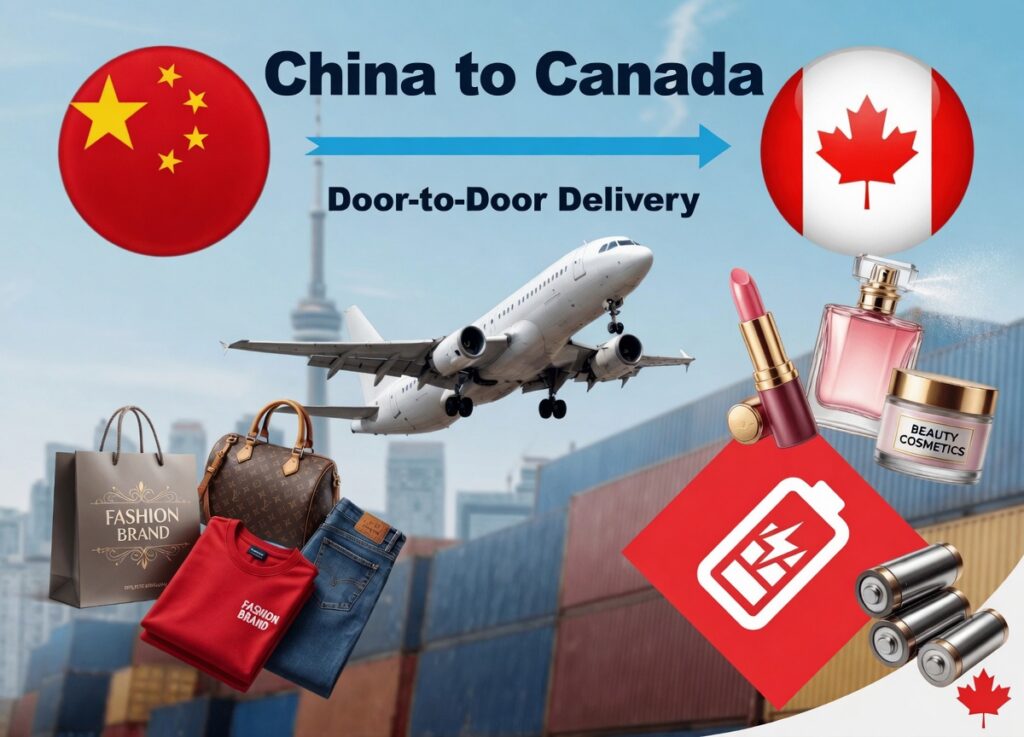
If you regularly ship electronics, lithium batteries, cosmetics, or chemicals from China to Canada by air, you already know how strict things have become.
In 2026, Canadian customs is cracking down harder than ever on sensitive goods.
One wrong declaration or non-compliant package can lead to seizure, heavy fines, or even destruction of the shipment. Worse, Canadian buyers expect fast delivery — if their order sits in customs for two weeks, you’ll face chargebacks, bad reviews, and lost customers.
After 10+ years handling thousands of sensitive shipments to Canada, I’ve put together this practical 2026 guide with the latest rules, real pitfalls, and exactly how Vantage Forwarding handles these shipments.
By the end of this article, you’ll know:
- Which products are classified as sensitive goods
- What Canada Customs (CBSA) and Transport Canada are actually checking in 2026
- The correct packaging, documentation, and clearance process
- How to use DDP to minimize your risk
What Are Sensitive Goods for Air Freight to Canada?
Let’s start with clear definitions.
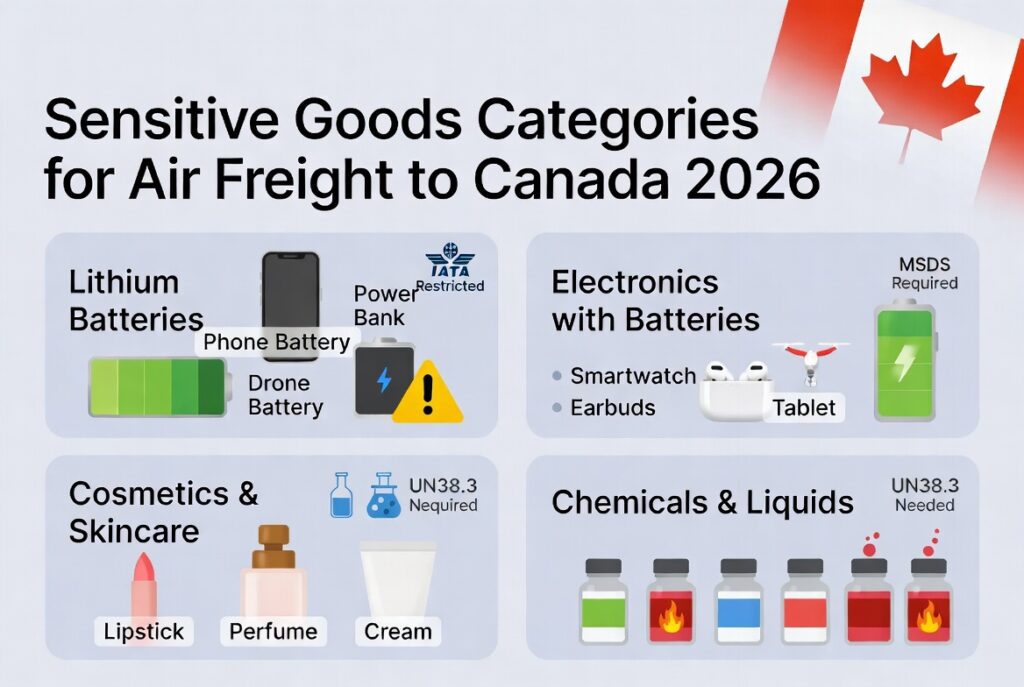
Sensitive goods are not a vague term in Canada. They fall under specific categories with strict rules:
| Category | Common Examples | Main Risks | MSDS Required? |
|---|---|---|---|
| Lithium Batteries | Phones, laptops, power banks, drones | Fire/explosion risk, IATA strict limits | Yes |
| Electronics | Smart devices, earbuds, tablets with batteries | Battery declaration + EMC requirements | Yes |
| Cosmetics & Skincare | Products with alcohol, acids, aerosols | Flammable, corrosive, quantity limits | Yes |
| Chemicals & Liquids | Cleaners, fragrances, lab reagents | Dangerous goods classification, leaks | Yes |
| Medical Devices | Blood glucose meters, massage guns | Battery + medical device import rules | Sometimes |
Important note: Many sellers think “it’s just normal electronics” and get surprised when Transport Canada flags their shipment because of improper battery declaration.
If you mainly ship electronics from China to Canada, the rules below are critical.
Canada Customs Clearance Rules 2026 – What You Must Know
In 2026, both CBSA and Transport Canada have significantly tightened controls on sensitive cargo. Here are the three biggest changes:
1. Battery Shipments Under Much Stricter Scrutiny
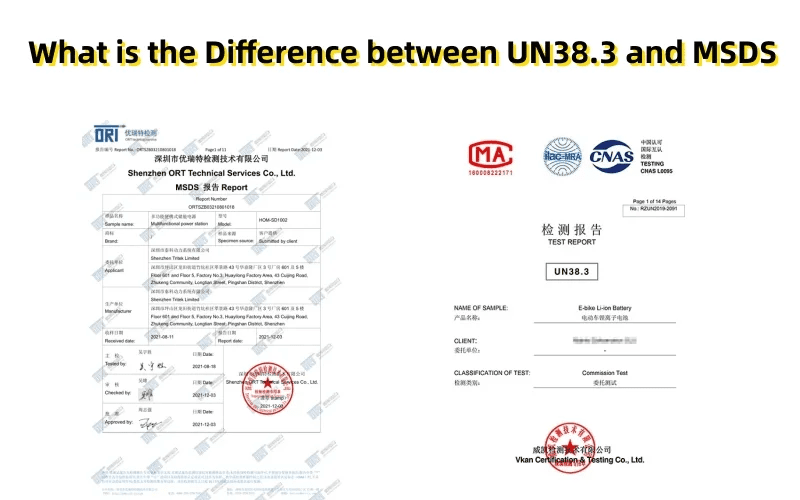
Transport Canada now fully aligns with the latest IATA Dangerous Goods Regulations. Every lithium battery shipment must have a valid UN38.3 test report + MSDS. No exceptions.
2. Low-Value Parcels (De Minimis) Are Being Checked More
Previously, shipments under CAD$20 often sailed through. Now, even low-value parcels containing batteries or electronics are frequently selected for inspection.
3. Declaration Consistency Is Enforced by AI
CBSA uses AI to cross-check the commercial invoice description, air waybill, and actual physical goods. Any mismatch can result in fines or seizure.
Real case (February 2026): One of our clients declared “Rechargeable Battery Pack” as “Power Bank”. The shipment was held by CBSA for 11 days. We had to step in with corrected documentation to release it.
This is exactly why you need a forwarder who truly understands sensitive cargo — not a general consolidator.
Step-by-Step SOP: How to Ship Sensitive Goods via Air Freight to Canada
Here is the exact process we use internally at Vantage Forwarding (99.1% first-attempt clearance rate in 2025–2026).
Step 1: Pre-Shipment Compliance Check (MSDS Requirements for Canada Shipping)
Before anything moves, complete these checks:
- Confirm whether the goods are classified as Dangerous Goods
- Prepare a valid MSDS (Material Safety Data Sheet) — must be in English and dated within the last 12 months
- Obtain UN38.3 test report + Test Summary for all lithium battery shipments
- Verify the correct HS Code (commonly 8507.60 or 8507.80 for batteries)
- Double-check the latest Transport Canada and CBSA prohibited/restricted lists for 2026
Pro tip: We maintain a library of pre-formatted MSDS templates. Send us your product ingredients and we can usually issue a compliant Canadian version within 24 hours.
Step 2: Professional Packaging (Triple Shield Protocol)
Sensitive air freight requires “Triple Shield” protection:
- Short-circuit prevention: Battery terminals must be insulated with non-conductive tape and individually packed
- Leak prevention: All liquids need leak-proof inner liners + absorbent padding
- Impact protection: Use UN-specification packaging with minimum 5 cm cushioning on all sides
We photograph every sensitive shipment before handover for full traceability.
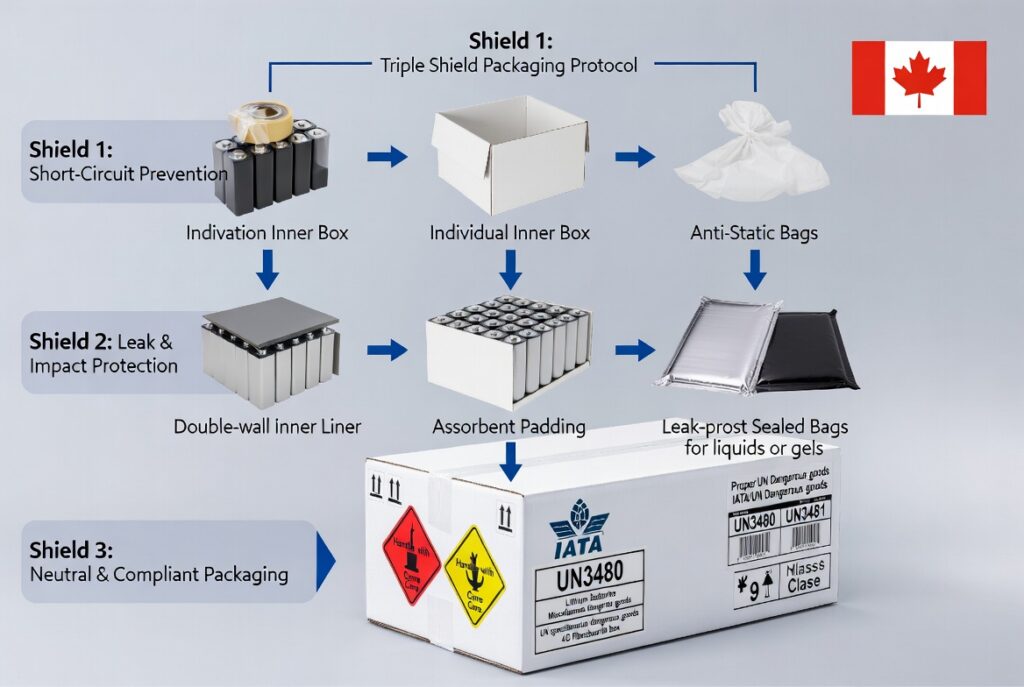
Recommended image placement here Alt text: Triple Shield packaging protocol for lithium battery air freight to Canada
Step 3: Documentation (Everything Must Match 100%)
Required documents:
- Commercial Invoice (accurate description, value in CAD, correct HS Code, Incoterm DDP)
- Packing List (must exactly match the invoice)
- MSDS (English version)
- Air Waybill with proper handling codes (e.g. “ELI” for lithium batteries)
- UN38.3 Test Summary (mandatory for batteries)
- Certificate of Origin (if claiming preferential rates)
Critical rule: The product description, quantity, and weight must be identical across every document. CBSA will hold the shipment if there are inconsistencies.
Step 4: Choosing the Right Clearance Mode (DDP Shipping to Canada from China)
For 2026, we strongly recommend DDP (Delivered Duty Paid) for sensitive goods.
Why DDP is essential:
- The Canadian buyer receives the package with zero customs hassle or extra taxes
- We have a local Canadian clearance team that can resolve issues quickly
- It significantly reduces the chance of low-value parcels being selected for inspection
We primarily use DHL Express, UPS, and FedEx direct services with an average transit time of 4–7 working days to Toronto, Vancouver, and Calgary.
Why Vantage Forwarding Is the Best Partner for Air Freight to Canada
We have three clear advantages in this niche:
1. Specialized Team + Proven Data In the past 12 months we handled over 1,200 sensitive shipments to Canada with a 99.1% first-attempt clearance rate and average clearance time of just 1.8 days.
2. Premium Carrier Network Direct connections with DHL, UPS, and FedEx Canadian stations give us priority handling for sensitive and dangerous goods — even during peak season.
3. Full Risk Coverage If a shipment is seized due to our error, we cover up to 25% of the cargo value (when our insurance plan is purchased).
In short: Air freight to Canada for sensitive goods is not just “moving boxes”. It requires deep regulatory knowledge, strict processes, and strong local partnerships.
Real Client Case Study (2026)
A Shenzhen smartwatch seller was having constant problems shipping to Canada. Three consecutive shipments were held due to battery declaration issues — the longest one sat for 23 days.
After switching to Vantage Forwarding:
- We prepared proper MSDS + UN38.3 documentation
- Used DHL priority channel
- Handled everything under DDP
Result: First shipment arrived in 5 days. The client has now moved all their Canadian orders to us for the past 8 months with zero issues.
Ready to Optimize Your Canada Sensitive Goods Shipments?
If you’re struggling with customs holds, high rejection rates, or just want to reduce risk and stress on your air freight to Canada shipments, we’re here to help.
Get your free quote + 2026 Sensitive Goods Checklist today
Or reply to this article and tell us:
- Main product category (batteries / cosmetics / electronics, etc.)
- Monthly shipment volume
- Main destination cities in Canada
We’ll send you a customized risk assessment and the best routing options.
 English
  Chinese
  Arabic
  French
  German
  Portuguese
  Spanish